


It is easy to look around America today and feel like something vital is slipping away. Families feel fragmented, institutions look hollowed out, and an aggressive anti-Christian “secularism” seems determined to scrub every trace of faith from public life. For millions of Americans who love this country and hold fast to their Christian faith, the natural reaction is frustration, and a burning urge to fight back.
In that pressure cooker, a “new” idea has been gaining real steam on the political Right: “Christian nationalism.” Its sales pitch sounds tempting at first: If progressives are going to use the power of the federal government to push their worldview, why shouldn't Christians take the wheel and use that same power (even expand it further) to enforce a Christian order?
Why not declare America a Christian nation by law, put the Christian religion at the center of the state, and let the civil magistrate enforce the “highest good”? It sounds reasonable. It sounds like a strong defense against cultural decay. But if you dig into history, you discover that this path isn't actually new at all. It’s an old road, and one that conservative Christians, above all people, should be deeply wary of traveling.
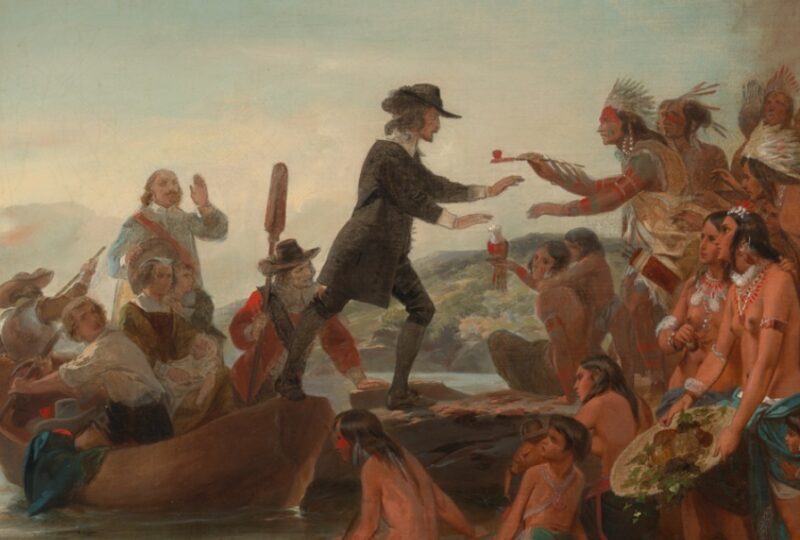
Long before 1776, the American colonies were a living test-tube for state-enforced Christianity. Conservatives today often romanticize colonial America as a unified, pious, Christian utopia, but the reality on the ground was defined by severe, legally mandated religious tyranny. The primary victims of state-enforced Christianity were not secular atheists; they were other devout Christians who dared to worship outside state-sanctioned orthodoxy.
In the Massachusetts Bay Colony, the Puritans set up an explicit “holy commonwealth.” They believed the civil magistrate (the government) was ordained by God to enforce the First Table of the Ten Commandments (laws governing blasphemy, Sabbath observance,