
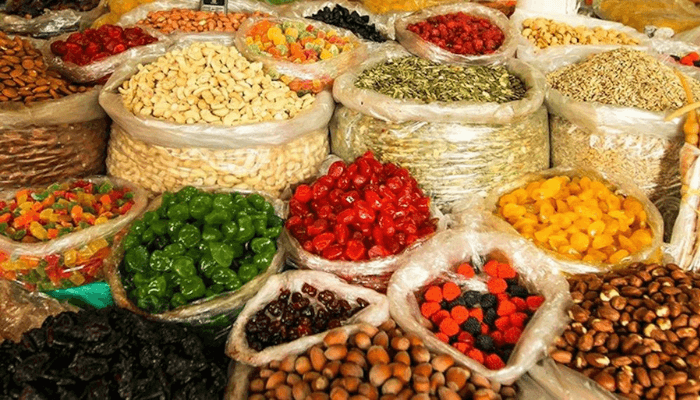


At dawn in Kano, a truck loaded with shea kernels begins another long journey. The kernels will cross borders, pass through ports and eventually reach factories far from the women who harvested them. Somewhere else, they will become cosmetics, food ingredients or industrial inputs. The finished product will return to consumers at a price many times higher. Cocoa leaves Ghana and Côte d’Ivoire as beans. Cashew leaves West Africa for processing in Asia.
Cotton leaves the continent before becoming fabric. Hides and skins leave as raw materials while African designers import finished leather. Coffee is exported as green beans while cafés elsewhere capture the premium attached to roasting, branding and retail. The uncomfortable question is not why Africa exports commodities. It should ask why so much of the economic chain remains elsewhere. United Nations Trade and Development estimates that commodities accounted for 32.7% of international trade between 2021 and 2023.
Across Africa, the problem is particularly acute: the continent’s top 10 export products account for almost half of total exports, with basic commodities dominating the list. This is the central opportunity behind Africa’s next industrial chapter. The prize is not simply producing more. It is building the businesses, factories, logistics networks, brands and distribution systems around what Africa already produces.
For too long, industrialisation has been reduced to the image of a large factory with smokestacks. But a functioning local value chain is much bigger. It begins with the farmer, miner, fisher or artisan. It moves through aggregation, storage, processing, packaging, finance, logistics and quality control. Then come wholesalers, distributors, retailers, digital marketplaces, brands and consumers. Every link creates an economic transaction. Every transaction creates an opportunity for another African business.
This is where the Go Local proposition becomes more interesting than the familiar argument for “value addition”.