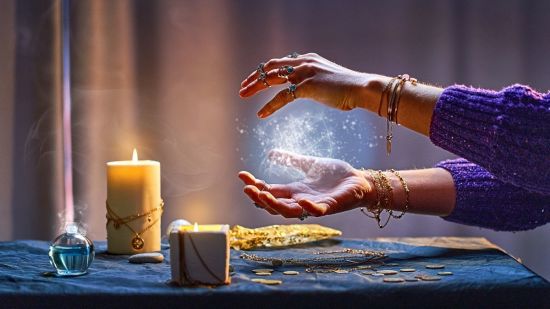


The witches are back, and it’s not even Halloween yet. “Practical Magic 2” opened September 11 and was the top-grossing film that weekend. In less than a week, it topped the $30 million mark domestically and the $50 million mark worldwide. Though some films about witchcraft are horror movies, many portray witches as good, misunderstood healers who are the objects of unjust persecution.
Themes of sisterhood and solidarity are featured in most of these, though older tropes of family curses, love spells, and inherited power are often included as well. “Practical Magic 2” fits this formula. The actual practice of witchcraft today presents a bit differently. It is still predominantly practiced by women and has been entangled with feminism and female empowerment since the 1960s.
Today, there are more self-identified Wiccans in America than Presbyterians, and that does not include those who practice witchcraft without identifying with Wicca. In fact, there are even those who self-identify as Christian witches, though that is somewhat unsurprising in a culture of self-identification where people hold “whirled-views” more than coherent worldviews.
Even a casual search of “witches” on the online discussion forum Reddit or the online marketplace Etsy reveals that black magic is not uncommon today. Over 5,000 items dealing with curses are currently for sale on Etsy. While witches claim mostly to practice the lighter, “healing” stuff of white magic, there seems to be plenty of hexing for revenge, too. Witchcraft seems to gain new legs every few years or so.
Typically, this is spurred by pop culture. The first “Practical Magic” movie was released the same year as the "Charmed" television series. Even the “Bewitched” series from the 1960s did a lot to sell the Wiccan image to the American population.