
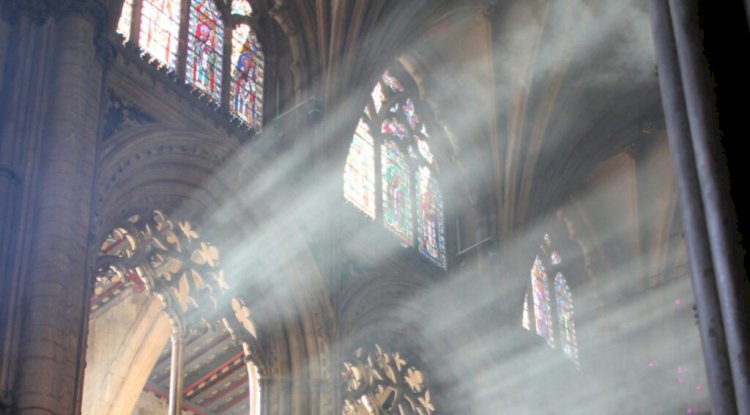


In genuine prayer, we encounter a reality that lies deeper than our passing thoughts, feelings, and emotions. Often- sometimes without even realizing it- we allow these inner movements and the narrative they create to tell us who we really are. When anxiety arises, we tend to identify ourselves as anxious. When fear or insecurity appears, we identify ourselves as fearful or insecure.
Naturally, then, these inner movements and our experiences of them begin to shape our self-understanding. Without prayer, we risk mistaking a small portion of our inner life for the whole portrait of who we are. Prayer, gently- and at times forcefully- interrupts this confusion. In prayer, we do not deny our emotions or repress our thoughts, nor do we pretend that they are insignificant.
Rather, in prayer all of our inner movements are placed within a larger and truer context: the truth that our deepest identity consists in being sons and daughters of God, regardless of what our inner experiences may suggest. Through fidelity to daily prayer and by coming before God as we truly are, we slowly discover that there is far more to us than what we feel at any given moment.
Beneath whatever turbulence may exist in our hearts and minds lies a deeply consoling truth: we are rooted in God and loved by Him, regardless of how we feel. The saints and mystics teach us that prayer reveals not only who God is, but who we truly are. St.
Paul expressed this when he says, “You are no longer strangers and sojourners but you are fellow citizens with the saints and members of the household of God.” (Eph 2:19). This profound insight by St. Paul was not learned in a classroom or discovered in a book. It was the conclusion wrought through a lived