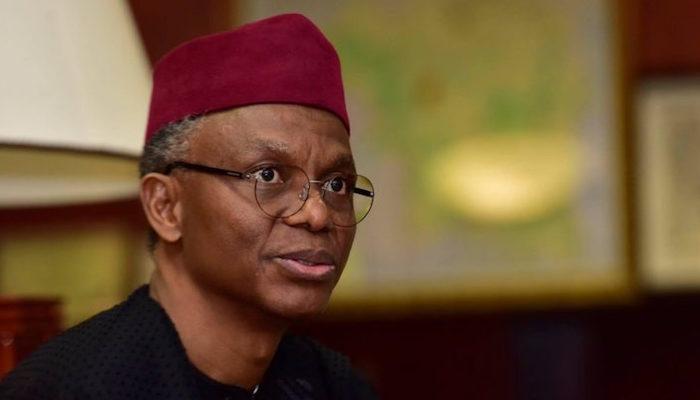


The Supreme Council for Shari’ah in Nigeria (SCSN) has raised fresh concerns over the continued detention and prosecution of former Kaduna State Governor Nasir El-Rufai, urging the authorities handling his cases to strictly observe constitutional safeguards, due process and his right to fair hearing.
The council said the circumstances surrounding El-Rufai’s detention had raised questions about the application of established legal procedures, insisting that accountability for alleged wrongdoing must be pursued within the framework of the law. Nafiu Baba Ahmad, Secretary General of the council, said in a statement that El-Rufai, like every other Nigerian, was entitled to his fundamental rights and the presumption of innocence until proven guilty by a competent court.
The intervention comes amid the former governor’s ongoing legal battles arising from allegations connected to his eight-year administration of Kaduna State and a separate case involving alleged unlawful interception of telephone conversations. El-Rufai, who governed Kaduna from 2015 to 2023, has been facing scrutiny over decisions and financial transactions undertaken during his administration.
The ICPC has instituted a nine-count amended charge against him bordering on alleged abuse of office, fraud, irregular award and execution of public contracts, money laundering, conferring undue advantage and unlawful handling of public funds. The former governor has denied wrongdoing in relation to the allegations and has maintained his position in the political space since leaving office.
In a separate development, the Department of State Services (DSS) instituted a five-count amended charge against El-Rufai over allegations relating to the unlawful tapping of telephone conversations linked to the National Security Adviser, Nuhu Ribadu. The cases have added a new legal dimension to the former governor’s post-office activities and have kept him at the centre of a politically sensitive debate over accountability, institutional independence and the treatment of former public officials.