


By Chioma Obinna Stakeholders in the health, manufacturing, regulatory and development sectors have called for urgent policy and regulatory reforms to make menstrual products more affordable and accessible to millions of Nigerian women and girls battling period poverty.
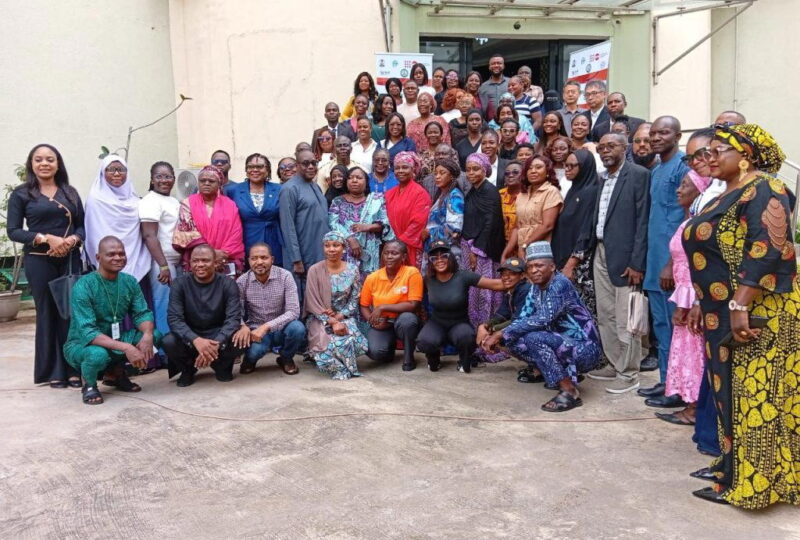
The call was made at the Nigeria Menstrual Health Forum: “Driving Standards and Policy Reform for Affordable Menstrual Products,”organised in Lagos by the United Nations Population Fund, UNFPA, in collaboration with the Standards Organisation of Nigeria, SON, and the Federal Ministry of Women Affairs and Social Development, with funding from the Sanitation and Hygiene Fund, SHF.
The two-day forum brought together government agencies, manufacturers, private sector players, civil society organisations and development partners to address affordability, quality standards, local production and market access for menstrual products. An estimated 37 million women and girls in Nigeria are affected by period poverty, while 24 per cent of schoolgirls regularly miss classes because of inadequate menstrual materials and poor water, sanitation and hygiene facilities.
The situation has been worsened by inflation, with the price of menstrual pads rising from about N200–N400 three years ago to N500–N750 or more, forcing some women and girls to resort to unsafe alternatives, including old cloth, mattress foam and reused sanitary pads.
Speaking at the forum, UNFPA Gender and Adolescent Unit representative, Dr Zubaida Abubakar, said the focus was not merely on increasing access to menstrual products but ensuring that products available in the market were affordable, safe and of good quality. “This forum marks a turning point in Nigeria’s menstrual health landscape.
By driving standards and policy reform, we aim to dismantle barriers to access, ensure dignity for women and girls, and unlock opportunities for education, health, and empowerment,” Abubakar said. She explained that the objective was to create an environment where local manufacturers could produce menstrual commodities at