
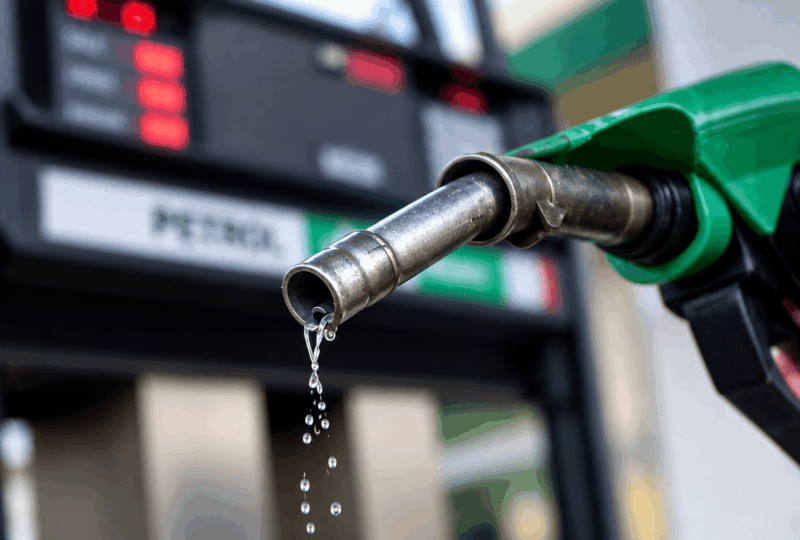


It is tempting to say that the debate over fuel subsidy is back to the fore of public conversation, again. Much thanks is owed for this to former Vice President and presidential candidate of the African Democratic Congress (ADC), Atiku Abubakar’s pledge to return the subsidy if voted into office in next year’s general election.
A while before this, though, the presentation by the Federal Ministry of Finance, in which the minister sought to account for the effect of the fuel subsidy savings on the federation accounts, lit a fire beneath the subsidy debate. Laudable for its attempt at improving the transparency around public finances, the finance ministry’s accounting, sadly, fails to balance a few ledgers.
At its most basic, it continues to peddle the misunderstandings around the nature and dynamics of the fuel subsidy payments that were always the biggest hurdle in accounting for this expense line. Up until the removal of the subsidy, it was managed in the books of the national oil company, NNPC Limited (NNPCL). In other words, there was never a budget in the government accounts for fuel subsidy.
What the states and the federal government agreed to was for the subsidy payment to be a first line charge on the federation account. Better accounting would have had both the federal government and subnational governments sign-off on a sharing formula for the subsidy from receipts into the federation account.
But our governments’ preference for managing the fuel subsidy put certain first line charges, including fuel subsidies, beyond the reach of revenues shared from the federation account. And because it did not pass through any government’s budget, you would be hard pressed to find a line for it there.