
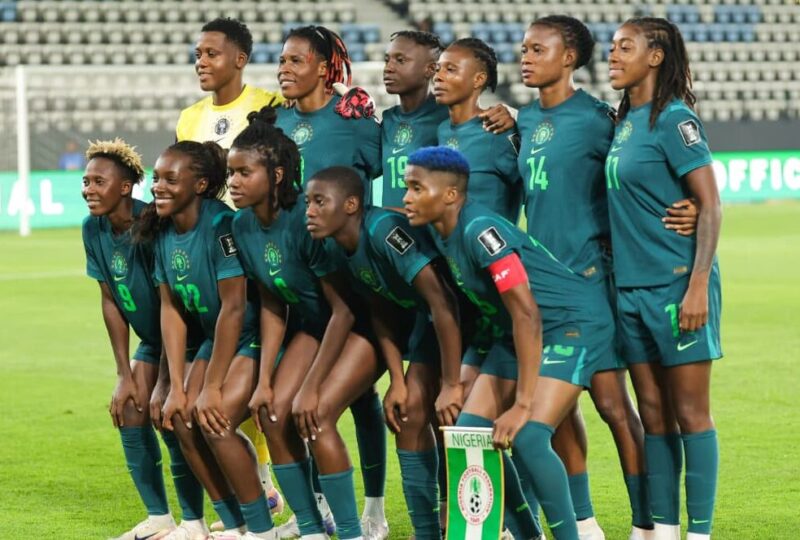


For much of 2026, it might be difficult to see anything beneath the disappointment surrounding the Super Falcons and the administrative woes in the Glass House. Nigeria arrived at the Women’s Africa Cup of Nations as defending champions, but a quarter-final defeat to Cameroon ended their title defence and forced the team into a play-off route for a place at the 2027 FIFA Women’s World Cup.
The eventual defeat to South Africa ended Nigeria’s record of appearing at every Women’s World Cup since the tournament began in 1991. That failure turned sporting disappointment into a national conversation and ultimately became the straw that broke the camel’s back. In the wake of this heartbreak, the Nigerian Football Federation apologised, commissioned a fact-finding committee, and asked the technical crew to step down.
President Ibrahim Gusau and other members of the executive committee subsequently resigned as the nation turned its attention toward the Olympics for comfort. Underneath all of that, an aquifer had been accumulating for almost three decades. In the midst of that chaotic campaign, the Super Falcons of Nigeria became the first women national team to cross a century of points in the Women’s Africa Cup of Nations.
Wins supplied the vast majority of those points, while draws added smaller deposits. That milestone does not erase what went wrong in Morocco, but it puts the disappointment into perspective. Nigeria’s record is exceptional, but the environment that produced it is changing, and administrators need to understand that change.
Nigeria missing a World Cup for the first time, surrendering a continental title, and entering a turbulent period in its football administration while still possessing a record that speaks to an extraordinary level of sustained excellence suggests there are positives from the campaign as a whole that provide valuable lessons to football administrators.