


There are moments in the history of the Church when silence is not neutrality. In the fourth century, the Church found itself embroiled in controversy over the very nature of God and the doctrine of the Trinity. Arius taught that the Son was not eternally God in the same sense as the Father. At the Council of Nicaea in A.D.
325, the Church confessed that Jesus Christ is homoousios, of the same substance, with the Father. In the fourth century, the Church was compelled to defend the truth about the nature of God. Today, we are confronting a fundamental question about the value of human life. Is every human life sacred because we are created in the image of God, or is its value ours to determine?
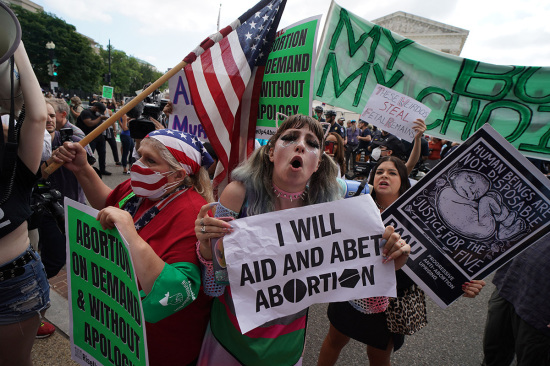
This November, Virginia voters will decide whether abortion should be enshrined in the Virginia Constitution as part of what the amendment calls a “fundamental right to reproductive freedom.” The amendment groups abortion together with prenatal care, childbirth, postpartum care, contraception, miscarriage management, fertility care, under the single language of “reproductive freedom.” But for Christians who understand the unborn child as a human being created in the image of God, abortion cannot be understood solely as an exercise of one person’s “reproductive freedom.” Another human life is at stake.
Nor should this amendment be confused with providing physicians the ability to save a mother’s life. Virginia law already provides for that. Existing law requires, for an abortion after the second trimester, the treating physician and two consulting physicians to certify that continuing the pregnancy is likely to result in death or “substantially and irremediably impair” the woman’s mental or physical health.