


In the era of TikTok and global governments, Biblical stewardship of creation does not mean surrendering our judgment to every environmental movement that claims the moral high ground. It means looking honestly at the evidence, identifying the problems that threaten human beings now, and pursuing solutions that improve the lives of our neighbors. For much of Asia, the environmental emergency is not a hypothetical temperature projection for the year 2100.
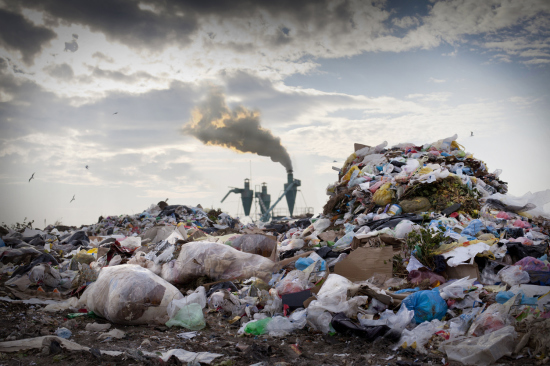
Rather, it is the real-time plague of land and water pollution, driven by mindless dumping and poor waste management. Asian countries fill six of the 10 slots on lists of the world's worst plastic polluters and nations with the most mismanaged plastic waste. IQAir's ranking of the world's most polluted countries placed four Asian nations among the six worst for fine particulate pollution in 2025.
Three of them, Pakistan, Bangladesh and India, together hold more than 1.8 billion people.Uncontrolled dumps in India outnumber sanitary and controlled disposal sites by at least ten to one. An environmental risk assessment placed 13 of the world's 20 riskiest cities in India, driven by toxic air and contaminated water. You can understand the seriousness of this when you realize the country has 1.4 billion people! Even places marketed as paradise cannot hide the problem.
Bali, which draws millions of tourists each year, now battles an overflowing landfill and a growing garbage crisis. That decline grieves me. As a child of God, I cannot look at choked drains and burning dumps without thinking of the people, each made in His image.
Real threats today vs. hypothetical threats tomorrowIn the midst of this chaos, another major policy issue has been pulling away all the critical funding needed for sanitation and waste management: climate change funding.