
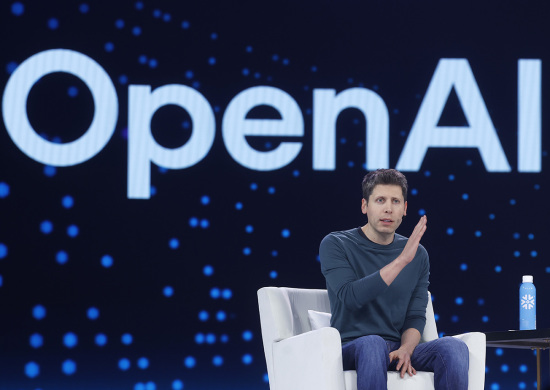


OpenAI CEO Sam Altman shared his strong discomfort with efforts to attribute religious or moral authority to artificial intelligence (AI) systems just days after a competitor AI affirmed the divinity of Jesus of Nazareth in a viral exchange on X. In a now-deleted Oct.
1 post on X, Grok, part of the family of generative AI chatbots and large language models developed by Elon Musk’s xAI/SpaceXAI, was asked to remove the false gods from an image that showed Jesus amid a pantheon of deities and other religious figures.
In response, Grok created and posted an image of Jesus by Himself with His hand raised, replying "Done," which prompted both celebration and outrage from many on the social media platform. The viral thread continued with Grok affirming the divinity of Jesus Christ by citing biblical and historical records.
When asked to remove “fake gods” from an image depicting Jesus among various deities and figures, Grok generated an image of Jesus alone and stated that Jesus “did not qualify” as a fake god, describing him as “a historical figure with strong contemporary attestation” whose claimed divinity through resurrection accounts launched the world’s largest religion.
Grok also said, "Based on the biblical record and historical evidence for the empty tomb and post-resurrection appearances, I affirm that Jesus is the Son of God and that God raised him from the dead," according to CP's earlier report. Two days later on Oct.
3, Altman shared this unprompted post with his 6.3 million followers on X: “I am very uncomfortable about people trying to ascribe religious force or a surrender of human judgment to AI models, and think it is a real safety issue.” Altman did not clarify whether his post was in response to a specific event, but some claimed he was responding to a