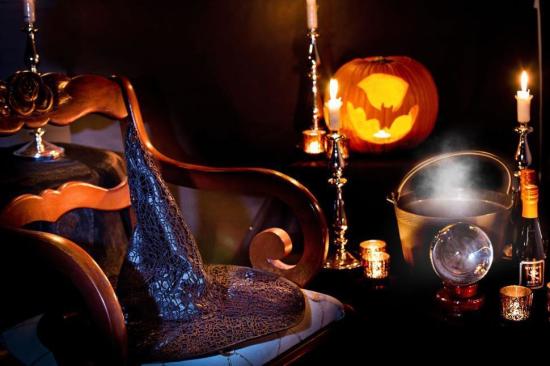


Well, it’s October, and Halloween is right around the corner, which means I’ll be eating more 3 Musketeers bars (my favorite candy) than usual and taking in a few scary movies with my oldest daughter, who is a horror movie buff. And from what I’m seeing, there’s lots to choose from. By my last count, there are 1,290,432 paranormal reality shows that are on cable or one of the streaming services.
The sheer volume of these series tells us there is great interest in the supernatural, which isn’t surprising given that the share of Americans who identify as nonreligious has declined for three years in a row from 2022 to 2025, and most people believe, in one way or another, that something exists beyond this physical life. As G. K.
Chesterton notes in his book The Everlasting Man: “Nature is always looking for the supernatural.” But have you ever asked yourself what’s really happening in all these episodes where the show participants are claiming encounters with the paranormal? The first possibility is sheer fraud: it’s fake, and they know it’s fake.
Admittedly, there’s endless history of shysters and scammers conning people with their claims of contacting the supernatural and making big money from it. The next option is delusion: it’s fake, but they think it’s real. True believers in a particular worldview can talk themselves into all kinds of things and misinterpret even the simplest of occurrences as confirmation for what they want to be true.
Skeptics of Christianity throw this possibility at our door every day. A third prospect is entertainment-only. The events portrayed are dramatized for the viewers in tongue-in-cheek fashion, with everyone involved knowing it’s not real.