

Campaigns for the 2027 general elections have started. A total of 18 political parties are jostling for the most coveted office – the president of Nigeria. In functional democracies, existential challenges shape the debates and town hall meetings, going into these elections. And the soapbox usually quakes as candidates justify why they should be voted for. Here instead, muckraking and brickbats take the centre stage.
Still, incredibly, some candidates shun the debates, as if they do not owe electorates any information about or scrutiny of their purposes in seeking public office. As the 2027 campaigns gain traction, it is not in doubt that insecurity remains the country’s greatest crisis point. This is closely followed by a high cost-of-living, the sustained looting of the public treasury, absence of quality healthcare and education, good road networks, and adequate electricity supply.
These are all very disturbing national deficiencies. The candidates may have listed them as what they would tackle in their manifestos, but the missing link is usually the action plan on how to resolve the concerns. This is where debates become very crucial.
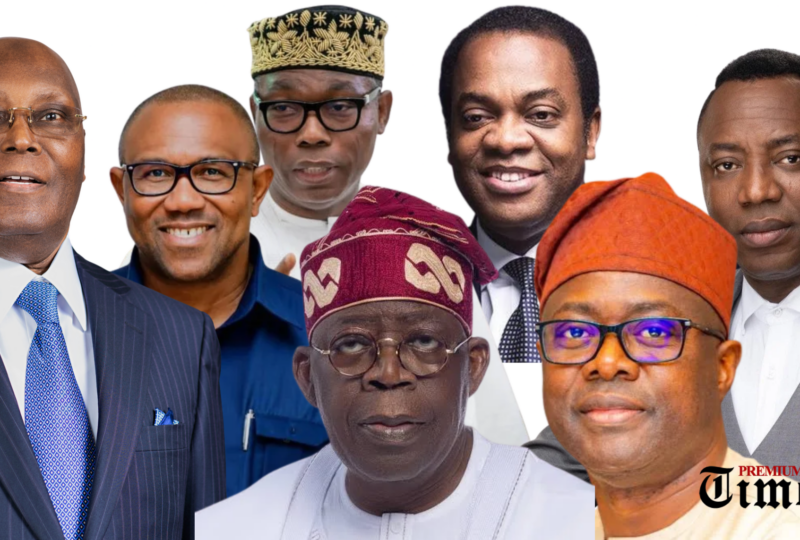
As such, Nigerians eagerly await the presidential candidates – Bola Ahmed Tinubu of the All Progressives Congress (APC), Atiku Abubakar of the African Democratic Congress (ADC), Peter Obi of Nigeria Democratic Congress (NDC), Seyi Makinde of the Allied Peoples Movement (APM) candidate, Omoyele Sowore of African Action Congress (AAC), Donald Duke of Peoples Redemption Party (PRP) and Adebowale Adebayo of the Social Democratic Party (SDP) – for their campaign responses to these burning national issues.
Atiku has set the ball rolling with his promise to restore fuel subsidy if elected. This is a volte-face from his position on the policy in 2023, as he now cites the negative impact of subsidy removal on the cost-of-living in the country. But