
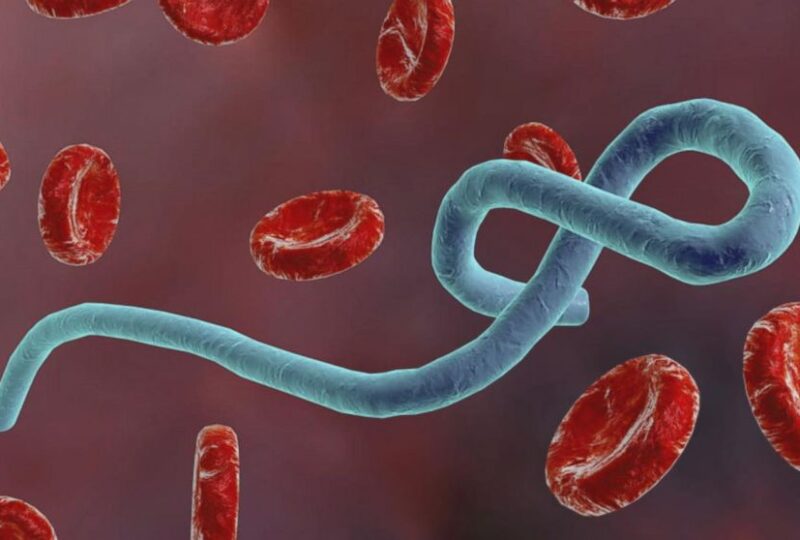


The Federal Government has reportedly commenced contact tracing after a suspected imported case of Ebola disease was identified in the Federal Capital Territory (FCT), with 44 close contacts said to have been identified. Below are 20 things you should know about Ebola: Ebola is caused by a virus. It is caused by viruses belonging to the genus Orthoebolavirus. Ebola was first identified in 1976.
The first recognized outbreaks occurred in what are now the Democratic Republic of the Congo and South Sudan. Ebola occurs primarily in sub-Saharan Africa. Most recognized outbreaks have occurred in African countries. Ebola can be deadly. Case-fatality rates have varied between outbreaks, sometimes reaching 80–90% or higher, depending on the outbreak and circumstances. Ebola does not spread simply by being near someone.
Standing beside, walking past, or sharing public space with an infected person does not ordinarily transmit the disease. Ebola is not spread through the air like flu or COVID-19. Transmission primarily occurs through direct contact with infectious body fluids or contaminated materials. Ebola spreads through infected body fluids. These include blood, vomit, feces, urine, saliva, sweat, breast milk, semen, and vaginal fluids. People become contagious when symptoms begin.
A person infected with Ebola is not considered contagious before developing symptoms. The incubation period can last 2–21 days. Symptoms most often begin around 8–10 days after exposure. Fever is a common early symptom. Other early symptoms include headache, muscle aches, weakness, and fatigue. Ebola can cause severe digestive symptoms. Vomiting, diarrhea, and abdominal pain may occur as the illness progresses. Bleeding may occur in severe cases.
Some patients develop unexplained bleeding, although bleeding does not occur in every case. Ebola can lead to organ failure. Severe illness can damage multiple organs and cause shock. Healthcare workers may face a high risk of infection. The risk