
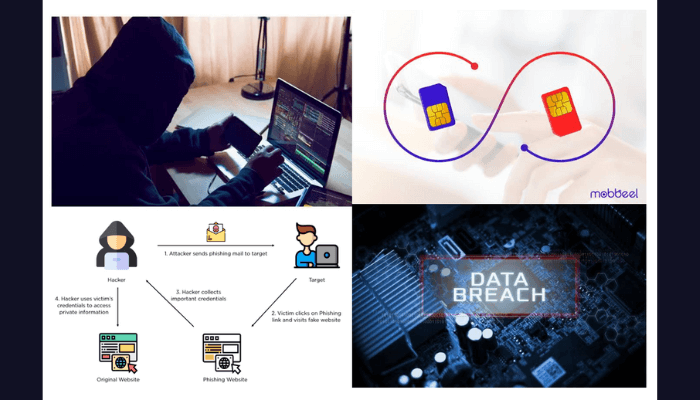


An elderly person authorises a bank transfer, hands control of an account to a trusted relative, or responds to a message that appears to come from a loved one. By the time anyone notices that something is wrong, a lifetime of savings may have disappeared. This is the challenge confronting institutions seeking to protect older adults from financial exploitation.
The threat extends beyond conventional scams to include coercion by relatives or caregivers, misuse of legitimate financial authority and increasingly convincing digital impersonation powered by artificial intelligence. In many cases, the warning signs may emerge gradually, while the financial damage becomes apparent only when it is too late. As populations age and financial transactions become increasingly digital, the question is no longer simply how to respond when exploitation occurs.
It is whether banks, governments and the wider network of institutions serving older adults can identify the warning signs early enough to prevent losses without undermining the independence and dignity they are meant to protect. Elder financial exploitation can take many forms. It may involve scams, fraudulent investments, unauthorized transfers, theft, coercion, manipulation, or misuse of financial authority.
Perpetrators may be strangers, but they may also be relatives, caregivers, friends, or trusted individuals responsible for assisting an older person with financial affairs. Technology has added another dimension to this problem. Artificial intelligence can make deception more convincing, personalized, and scalable. AI-generated voices, images, videos, and messages are now being used to impersonate relatives, financial professionals, government officials, or other trusted individuals.
A fraudulent request for emergency funds, for example, becomes significantly more persuasive when an elderly person appears to hear the familiar voice of a child or grandchild asking for help. AI can also enable perpetrators to create highly personalized communications using information obtained from social media and other digital sources.